
Search Schoharie County Warrant Records
Schoharie County warrant records are available through the Sheriff's Office and the local court system in this rural central New York county. The county seat is at Schoharie, where most criminal case records are filed and maintained. Active arrest warrants and bench warrants can be checked by contacting the Schoharie County Sheriff's Office, which has served as the chief law enforcement body since 1795. If you need to look up a warrant or get details on a past case, there are a few ways to search. You can call the Sheriff's Office, visit in person, or file a written records request under New York's Freedom of Information Law. Court records tied to warrants are also kept by the Schoharie County Clerk and the local town and village courts throughout the county.
Schoharie County Warrant Records Overview
Schoharie County Sheriff Warrant Services
The Schoharie County Sheriff's Office is the main agency that tracks and serves warrants in Schoharie County. The office dates back to 1795 and is one of the oldest law enforcement agencies in the region. The Sheriff is elected by the people and serves as the chief law enforcement officer of the county. Staff members are trained to handle all types of warrant work, from arrest warrants to bench warrants and search warrants. The office runs both a patrol division and a corrections division out of the county jail.
Their mission statement says it plainly: safeguard life and property through law enforcement done in a professional and compassionate way. The Sheriff's Office uses a community-based approach to policing. That means they work with the people who live in Schoharie County, not just around them. If you want to check on a warrant, call the Sheriff's Office during business hours. You can also go in with a valid photo ID and ask. The staff can tell you if there is an active warrant in your name or in another person's name that is part of the public record.
Note: Active warrants in Schoharie County do not expire and stay in effect until the court recalls them or the person is arrested.
Schoharie County Court Warrant Records
Schoharie County Court handles felony cases and some civil matters. Bench warrants get issued here when a defendant fails to show up for a court date. The court clerk keeps records of all cases, including those that involve warrants. You can call the court to ask about a specific case or visit in person during regular hours. Town and village courts across the county also issue bench warrants for missed appearances on local charges like misdemeanors and violations.
The Schoharie County Clerk's Office maintains land records, civil case filings, and some criminal court documents. If you need records tied to a warrant case that went through the county court system, the Clerk can help you find them. Under New York's Freedom of Information Law, government records are presumed open to the public unless a specific exemption applies. You must submit a written FOIL request, and the agency has five business days to respond. Some warrant records may be exempt from disclosure if they relate to an ongoing investigation or a sealed case.
The Division of Criminal Justice Services is the state's central repository for criminal history records. Rap sheets kept by DCJS can include arrest data, conviction records, and warrant information. You must submit your own fingerprints to get your record from DCJS. They do not release these records under FOIL or to third parties.
Schoharie County Warrant Search Tools
The DCJS Criminal History Record Review page is the starting point for anyone who wants to check their own criminal history in New York State. This applies to Schoharie County residents and anyone with a record in the state system.
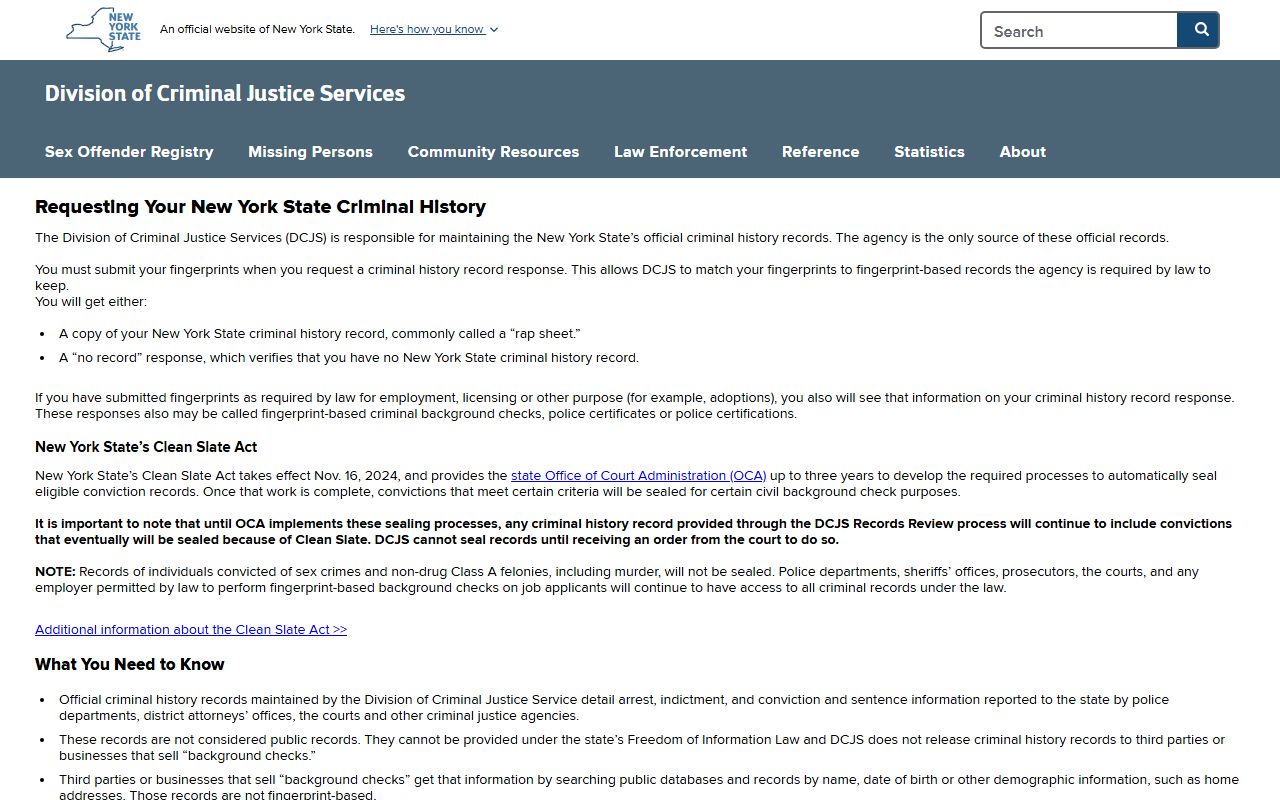
DCJS is the only source of official rap sheets in New York. Executive Law Article 35 gives them authority as the central repository for all criminal history data, which includes records from Schoharie County courts and law enforcement agencies.
You can also use the DOCCS Incarcerated Individual Lookup to see if someone with a Schoharie County warrant is already in state custody. The tool is free and runs 24 hours a day.
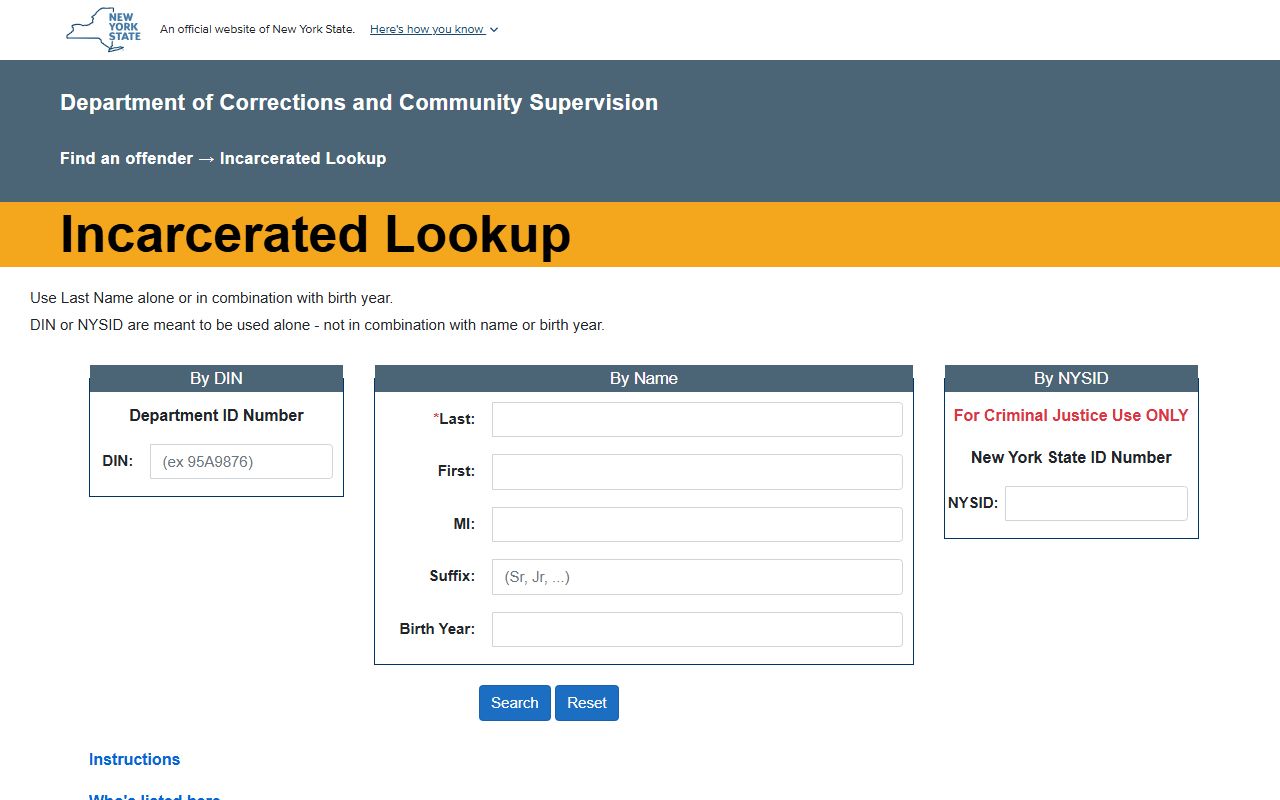
Search by name or by the Department Identification Number. The system covers individuals held in state prisons going back to the early 1970s. Youthful offender records and sealed convictions are excluded from results.
Warrant Laws in Schoharie County
New York law defines three main types of warrants. Arrest warrants are covered under CPL 120.80, which allows them to be served at any time of day or night. Bench warrants fall under CPL 530.70 and are issued when someone fails to appear in court. Search warrants are governed by CPL Article 690 and need probable cause plus a judge's approval before they can be executed.
Once a warrant is served in Schoharie County, the officer must bring the person before a local criminal court without unnecessary delay. Under CPL 120.90, the officer must finish fingerprinting and other processing steps first. The arrested person has a right to make a phone call to contact a lawyer or let a family member know about the arrest. These rules apply to every warrant served in the county, whether it comes from the Sheriff's Office or a local police department.
Sealed case records are protected under CPL 160.50 and CPL 160.55. New York's Clean Slate Act, which took effect in November 2024, allows automatic sealing of certain conviction records after waiting periods set by law. This means some older Schoharie County warrant records tied to sealed convictions may no longer be available to the public. Records of sex crimes and Class A felonies like murder are not eligible for sealing.
Nearby County Warrant Records
Schoharie County borders several other counties in central New York. If a warrant was issued in a neighboring county, you will need to check with that county's Sheriff's Office or court system directly.