
New York County Warrant Records
New York County warrant records cover the borough of Manhattan and are processed through the NYPD and the NYC Criminal Court system. As the densest county in the United States, Manhattan generates a high volume of criminal cases and warrants each year. Active arrest warrants, bench warrants for missed court dates, and search warrants are all enforced by the NYPD's precincts and warrant squads. You can check warrant status by calling the Criminal Court, visiting in person at 100 Centre Street, or contacting 311 for guidance on where to start your search.
New York County Warrant Records Overview
NYPD Warrant Enforcement in Manhattan
The New York City Police Department is responsible for law enforcement and warrant execution in New York County. The NYPD operates precincts throughout Manhattan, and each one can assist with warrant-related questions. The department maintains dedicated warrant squads that focus on locating and arresting people with outstanding warrants.
The NYPD provides precinct locations and crime data for Manhattan neighborhoods through its website. You can visit your local precinct to ask about a warrant in your name. Bring a valid photo ID. The department uses CompStat 2.0 for digital crime-tracking, which helps manage warrant data across the borough. Body-worn cameras are deployed throughout the department, so warrant service is typically captured on video. The NYPD serves through 77 precincts across all of New York City, with multiple precincts covering Manhattan alone.
The NYPD does not publish active warrant lists online for New York County. Each check is done on a case-by-case basis. For general warrant questions, call 311 or check the NYC 311 website. If you know someone with an outstanding Manhattan warrant, you can report the information to the local precinct or call Crime Stoppers.
New York County Criminal Court Records
The Criminal Court of the City of New York handles misdemeanor cases and felony arraignments in Manhattan. The court is at 100 Centre Street. Bench warrants get issued when defendants miss their court dates. The court clerk's office can provide information about warrants tied to specific cases. Arraignments happen 24 hours a day, 7 days a week at this location.
Supreme Court Criminal Term at 100 Centre Street handles felony trials and major criminal cases in New York County. This is where serious criminal matters go after arraignment. Warrant records from both courts flow into the city's criminal justice system. Summons Court is at 80 Centre Street and handles summonses and related matters. Each court maintains its own records, but the warrant data is shared across the system.
New York's search warrant manual, published by the court system, sets out the rules for how search warrants work in Manhattan. Under CPL 690.25, a search warrant must be addressed to an officer whose geographic area includes the search location. Search warrants must normally be served between 6:00 AM and 9:00 PM unless a judge specifically authorizes nighttime execution. The manual covers everything from the authorization requirements to motions to suppress evidence from a search.
The Office of Court Administration accepts FOIL requests for administrative records. While the courts are not subject to FOIL directly, OCA is an administrative agency and does process certain records requests. For court case records from Manhattan, contact the court clerk's office at 100 Centre Street.
New York County Warrant Search Resources
The NYPD website provides information about police services, precinct locations, and crime data for Manhattan neighborhoods.
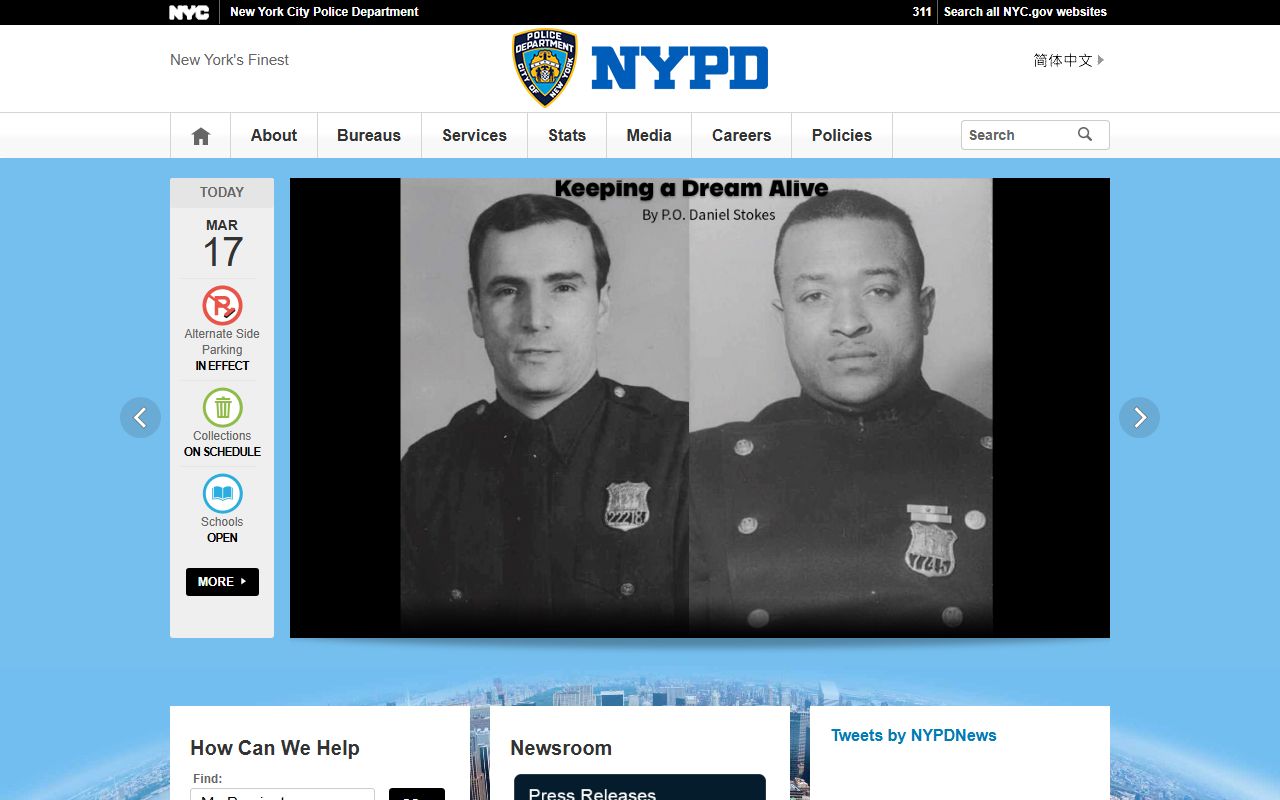
From the NYPD site you can find the right precinct for your Manhattan neighborhood and get contact details for warrant-related inquiries. The department also posts crime statistics through CompStat 2.0 and provides community safety resources.
The NYC Criminal Court directory explains how the Manhattan court system handles criminal cases, arraignments, and warrant procedures.
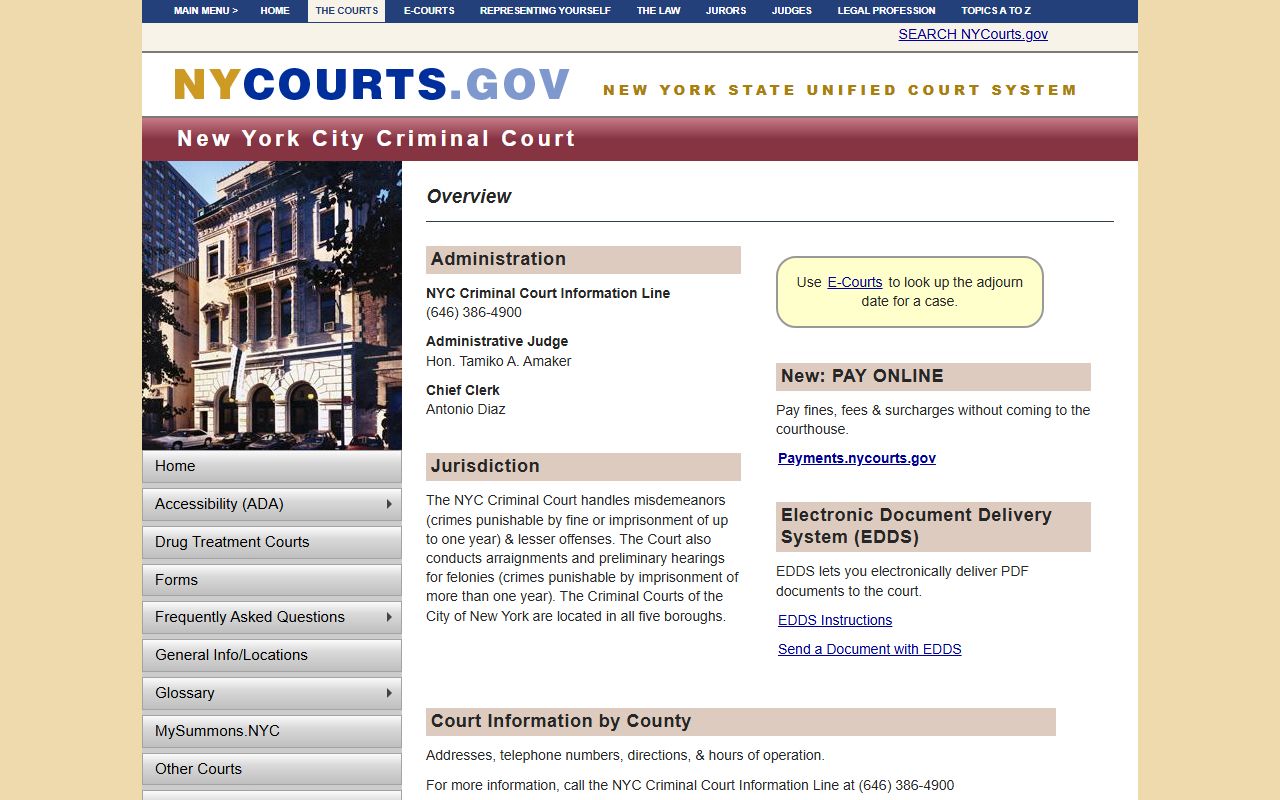
This page covers the court locations, operating hours, and types of cases handled in Manhattan. It is useful for anyone who needs to appear in court on a warrant or wants to look up a case connected to a warrant.
Warrant Laws in New York County
New York law covers three warrant types used in Manhattan. Arrest warrants follow CPL 120.80 and can be served at any time. Bench warrants come from CPL 530.70 when a defendant misses court. Search warrants are governed by CPL Article 690, which requires probable cause and a judge's approval. The NYPD carries out all three types through its precinct and warrant squad operations in New York County.
After a warrant arrest, CPL 120.90 requires fingerprinting first. Then the person must be brought before the court without unnecessary delay. The defendant can make a phone call to reach a lawyer or family member. In Manhattan, the 24/7 arraignment schedule at 100 Centre Street means warrant arrests are processed quickly at all hours.
Sealed records are protected by CPL 160.50 and CPL 160.55. The Clean Slate Act, effective November 2024, provides for automatic sealing of certain convictions. Some older New York County warrant records connected to sealed cases may become unavailable for public access. Sex crime convictions and non-drug Class A felonies are excluded. The DCJS criminal history review page explains how to check your own record through the statewide system.
Note: Warrants in New York County do not expire. They remain active until the person appears before the issuing court or the person dies.
Cities in New York County
New York County is coterminous with the borough of Manhattan, which is part of New York City. There are no separate municipalities within the county. All law enforcement, court, and warrant functions are handled through the NYPD and the NYC court system.
- New York City - New York County is one of five NYC boroughs
Nearby County Warrant Records
New York County shares borders with other NYC boroughs and counties across the Hudson River. Warrants from one county are tracked statewide, but case-specific details need to be checked with the issuing county's court.